
The Allure of Risk
The psychology of casino gambling is deeply intertwined with the allure of risk. Players are often drawn to the thrill of uncertainty and the possibility of winning big, which can trigger a rush of adrenaline and excitement. It is important for players to explore options like no kyc casinos that prioritize privacy, as this desire for risk can be attributed to the brain’s reward system, where the potential for a big win stimulates the release of dopamine, creating feelings of pleasure and motivation to gamble again.
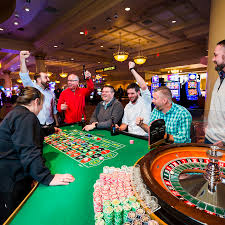
Moreover, the perceived control over outcomes can enhance the gambling experience. Players may believe they can influence their luck through strategies or rituals, which can further entrench their involvement in gambling activities. This illusion of control becomes a significant factor in decision-making, often leading to continued participation despite losses.
The Role of Cognitive Biases
Cognitive biases play a crucial role in how individuals approach gambling. One common bias is the “gambler’s fallacy,” where players mistakenly believe that past outcomes will influence future results. For example, if a player experiences a losing streak, they may feel that their next bet is more likely to win, leading them to wager more money than they originally intended.
Another significant cognitive bias is confirmation bias, where players focus on information that supports their beliefs about winning rather than recognizing the losses they incur. This selective attention can distort their perception of luck and influence their future gambling decisions, often resulting in a cycle of repeated behavior.
The Impact of Emotions
Emotions heavily influence gambling behavior, often driving decisions in high-stakes environments. Players experiencing positive emotions, such as excitement or happiness, may take riskier bets, believing their good luck will continue. Conversely, negative emotions like stress or sadness can lead to impulsive gambling as a coping mechanism, with individuals seeking an escape from their feelings.
In this emotional landscape, the atmosphere of a casino can exacerbate these feelings. The bright lights, sounds of winning machines, and the presence of other enthusiastic players can create a stimulating environment that heightens emotional responses, further impacting decision-making and gambling behavior.
Social Influences on Gambling Decisions
Gambling is not only an individual activity but also a social one. The influence of peers can significantly affect gambling decisions. Social settings in casinos can create a sense of community and shared experience, encouraging individuals to engage in gambling behaviors they may not have considered on their own. This phenomenon can lead to increased risk-taking and higher stakes as people aim to impress or fit in with their peers.
Additionally, social norms and the perception of gambling as a common leisure activity can shape individuals’ attitudes towards it. When gambling is normalized within social circles, individuals may feel more inclined to participate, further blurring the lines between casual gaming and more serious betting behaviors.
About Our Website
Our website is dedicated to exploring the intricate aspects of gambling psychology while ensuring a safe and secure environment for our users. We aim to provide educational content that helps individuals understand the motivations and behaviors associated with gambling, fostering informed decision-making.
By prioritizing user safety and offering insightful articles, we hope to enhance your understanding of the psychology behind gambling decisions, promoting a more mindful approach to gaming activities. Join us as we delve deeper into this fascinating topic and empower you with knowledge.
